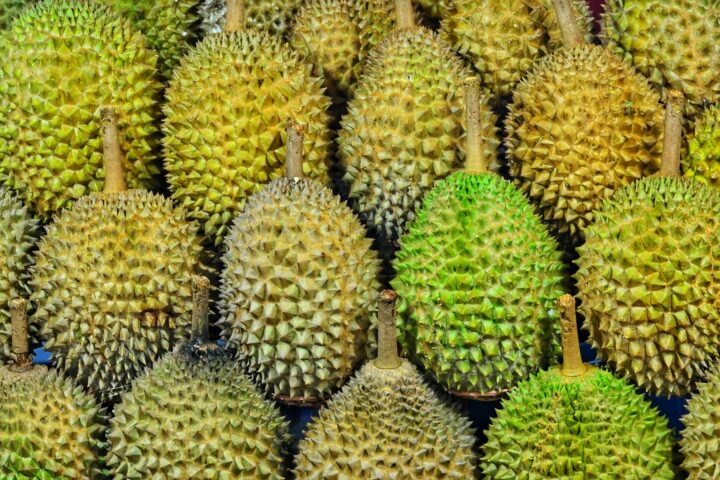
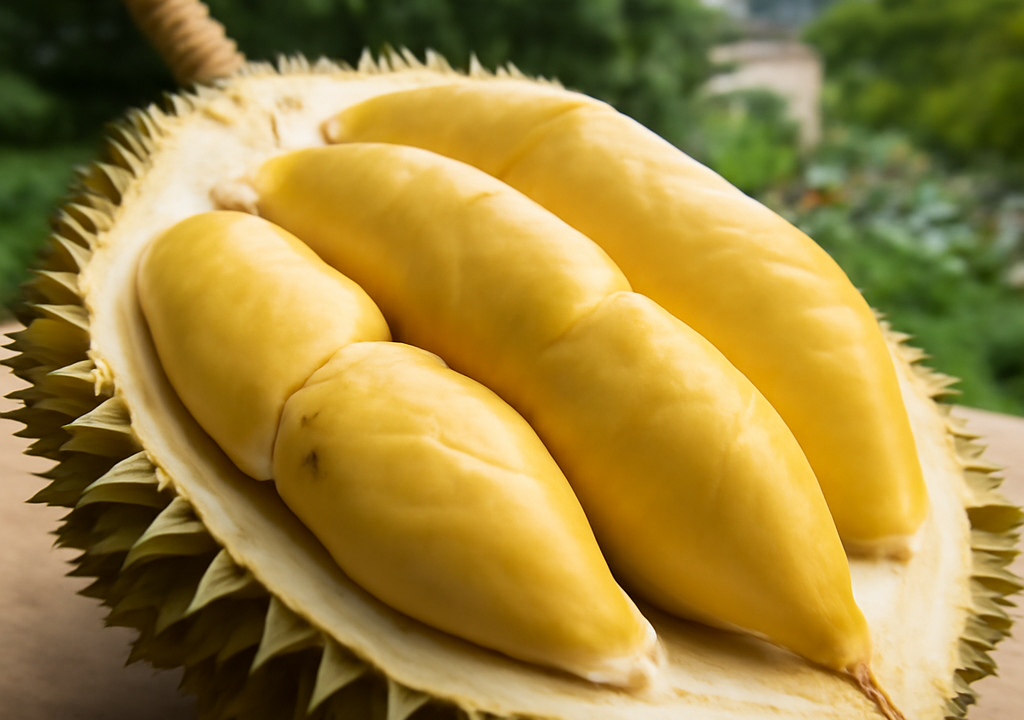
Durian is famous for its rich, creamy flesh — but it also brings a decent dose of dietary fibre to the table. Understanding durian fibre and how it affects digestion helps explain why a good durian session feels so satisfying, and why overdoing it can leave you uncomfortable. This guide keeps things practical and honest.
This isn’t medical advice — everyone’s digestion is different, so please check with a doctor or dietitian if you have specific gut concerns. What follows is general information, and we will not invent nutrient figures or health claims.
Does durian contain fibre?
Yes. Like most fruit, durian contains dietary fibre as part of its natural makeup. Fibre is the part of plant foods your body does not fully digest, and it plays a useful role in keeping things moving through your digestive tract and in helping you feel full. Combined with durian’s rich texture, that fibre is part of why even a modest portion feels genuinely satisfying.
How fibre supports digestion
Dietary fibre generally supports healthy digestion in a few well-known ways. It adds bulk that helps move food through the gut, it contributes to a feeling of fullness, and it is broadly linked with regularity. Because durian delivers fibre alongside its natural sugars and fats, it behaves more like a substantial snack than a light nibble.
Why durian can feel heavy
- Energy density: durian is richer than most fruit, so a lot at once is a big load for your stomach.
- Fibre plus richness: the combination is filling and slow to clear, which is satisfying in small amounts but heavy in large ones.
- Eating on top of a full meal: adding a big durian portion after a heavy dinner is a common cause of discomfort.
Enjoying durian comfortably
The trick is moderation and pace. A sensible portion, eaten slowly, lets you enjoy the flavour and fibre without overwhelming your system. Many people find that treating durian as its own event — rather than piling it on after a full meal — makes for a far more comfortable experience.
Practical tips
- Start with a modest portion and see how you feel before reaching for more.
- Eat slowly; durian is filling, so give your body time to register it.
- Stay hydrated — water alongside your durian is a time-honoured Singapore habit.
- Give yourself a gap after big meals rather than eating durian immediately on top.
The traditional “heaty” belief
Many Singaporeans grew up hearing that durian is “heaty” and should be balanced with water or mangosteen. This is a cultural belief rather than a proven digestive rule, but the underlying habit — drinking water and not overeating — is sensible regardless. If it helps you pace yourself, there is no harm in keeping the tradition alive. For more on the folklore versus the facts, our article on the best and worst ways to eat durian is a fun, balanced read.
Freshness matters for comfort
Digestive comfort starts with quality fruit. Fresh, properly handled durian eaten soon after opening simply sits better than fruit that has been sitting around too long. This is a big reason we dehusk to order and deliver same-day — you get the flesh at its best, when its texture and flavour are at their peak. Browse the durian catalog to pick your fruit, whether that is a premium Mao Shan Wang or a gentler variety, and eat it fresh for the most comfortable experience.
Who should be extra mindful
If you have a sensitive stomach or a known digestive condition, be especially mindful of portion and pace, and take your own professional’s advice over any general article. Rich, fibrous foods affect people differently, and only you and your care team know what suits your gut. For everyone else, the message is simple: enjoy durian in sensible amounts and it can be a satisfying, fibre-containing treat.
Fitting durian into your day
Because durian is both fibrous and rich, where it sits in your day affects how comfortable it feels. Many people find it sits best as a mid-afternoon treat or an earlier-evening snack, rather than piled on top of a heavy dinner or eaten right before bed. Spacing it out from your biggest meals gives your digestion room to work, and pairing your durian with plenty of water rounds things out nicely. There is no single right time — it comes down to what feels good for you — but a little planning turns durian from a heavy indulgence into a comfortable, satisfying part of the day.
Fresh, ripe fruit is easier on the stomach
Ripeness and freshness both play a part in comfort. Under-ripe durian can be firmer and less pleasant, while overly old, past-its-best flesh is where many people run into that too-soft, over-pungent experience that sits heavily. Well-ripened, freshly opened fruit strikes the balance — creamy, fragrant and easy to enjoy. Choosing quality durian and eating it soon after opening is one of the simplest ways to keep the whole experience pleasant from first pod to last.
Frequently asked questions
Does durian have a lot of fibre?
Durian contains dietary fibre as part of its natural makeup, like most fruit. Combined with its rich texture, that fibre helps make even a modest portion feel satisfying.
Why does durian make me feel bloated?
Durian is energy-dense and filling, so a large portion — especially on top of a full meal — can feel heavy. Smaller portions eaten slowly are usually far more comfortable.
Is durian good for digestion?
Its fibre supports digestion in the general ways fibre does, but effects vary by person and portion. If you have specific gut concerns, check with a professional.
Should I drink water with durian?
Drinking water alongside durian is a common Singapore habit and a sensible one for staying hydrated and pacing yourself, whatever you make of the traditional “heaty” belief.
Ready to enjoy durian at its freshest and most satisfying? Browse the catalog, then message us on WhatsApp through our durian delivery service for today’s seasonal prices and a dehusked-to-order box.