Ever stood at a stall wondering if you are getting a fair deal? This durian price per kg guide explains how durian is actually priced in Singapore, what makes the number go up or down, and how to judge value with confidence. We will keep figures general on purpose — because durian pricing is genuinely seasonal — and focus on helping you understand what you are paying for.
Durian pricing can feel opaque to newcomers, with prices quoted per kilo, per fruit, or per box, and rates that shift week to week. Once you understand the drivers, though, it all makes sense.
How durian is usually priced
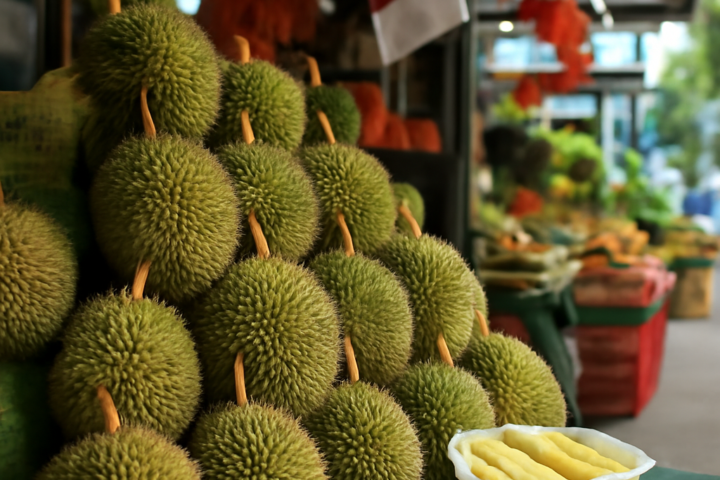
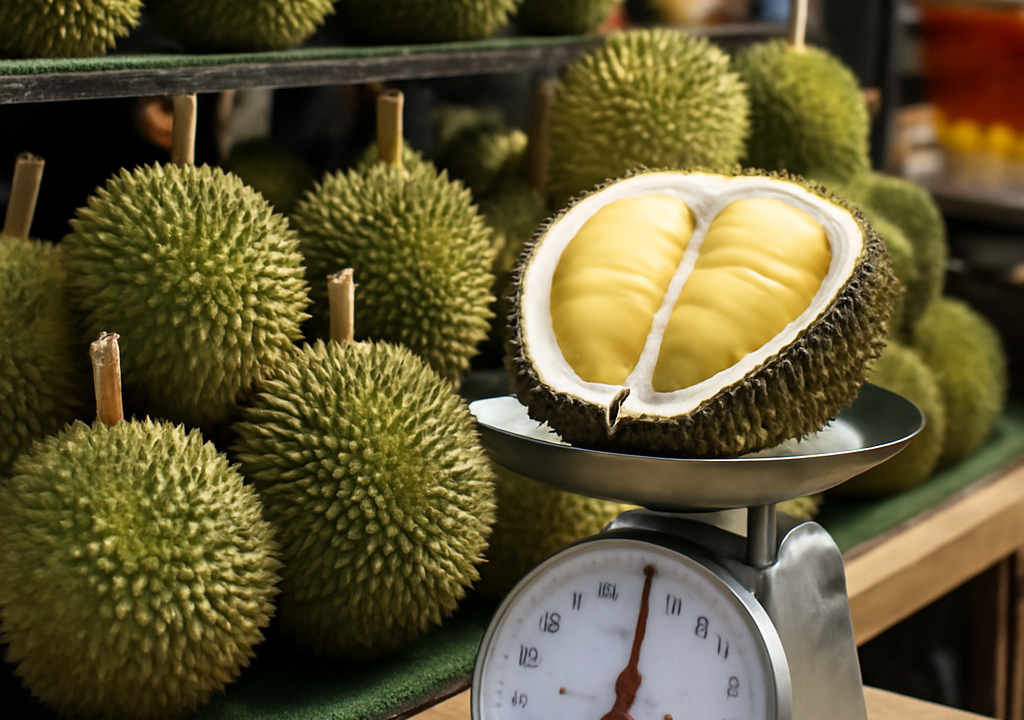
Durian is commonly sold by weight — a price per kilogram — though you will also see it sold per whole fruit or per box of dehusked flesh. Pricing by the kilo is popular because durians vary so much in size; charging by weight is a fair way to account for a bigger or smaller fruit. When you buy whole, the weight includes the husk and seeds; when you buy dehusked, you are paying for the edible flesh itself.
What drives the price per kg
Several factors push the per-kilo rate up or down. Understanding them helps you see why two durians can be priced so differently:
- Variety: premium cultivars like Mao Shan Wang command higher rates than everyday varieties. This is the single biggest factor.
- Season and supply: in peak season with abundant fruit, prices generally ease; when a variety is scarce or out of season, they firm up.
- Grade and quality: higher grades — better flesh, form and consistency — cost more.
- Freshness and handling: freshly opened, well-handled fruit is worth more than tired stock.
For a broader look at what shapes cost, see our durian prices guide.
Whole vs dehusked: comparing like with like
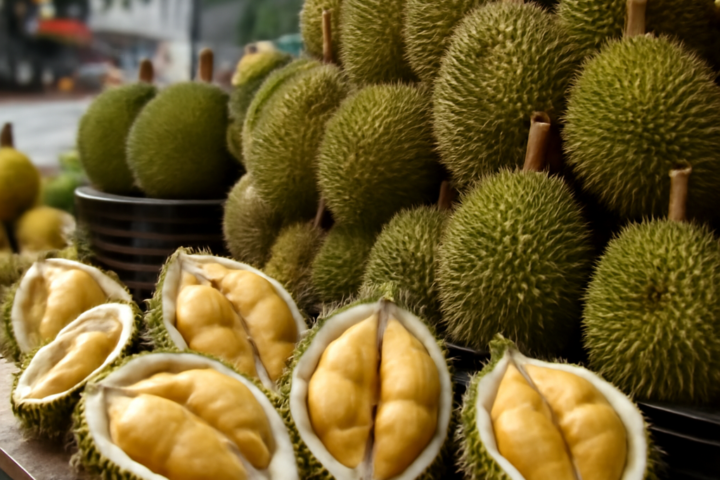
Here is a subtlety that trips people up. A per-kilo price for a whole durian is not the same as a per-kilo price for dehusked flesh, because a big chunk of a whole fruit’s weight is husk and seed you do not eat. Dehusked pricing reflects the edible flesh only. When comparing offers, make sure you are comparing the same thing — flesh to flesh — rather than assuming a lower whole-fruit rate is automatically cheaper once you account for what you actually eat.
Why dehusked can be great value
Beyond convenience, buying dehusked means you pay for flesh, not shells, and you know exactly what you are getting. Because we dehusk to order, you receive clean, ready-to-eat pods with no guesswork about how much edible durian is really inside a spiky whole fruit. Browse the catalog to see our selection.
How to know you’re paying a fair rate
- Compare within the same variety and grade: a fair price for premium fruit is different from a fair price for an everyday variety.
- Factor in the season: a rate that is fair in peak season may look high off-season, and that can be legitimate.
- Prioritise freshness: the cheapest per-kilo rate is no bargain if the fruit is tired.
- Ask for today’s rate: because prices move constantly, the honest answer always comes from a current quote.
Why we don’t publish fixed per-kg prices
You will notice we do not print a fixed dollar-per-kilo figure, and that is deliberate. Durian prices genuinely change with the season and supply, so any number we published would soon be misleading. Instead, we quote today’s seasonal rate on WhatsApp whenever you ask. It is the only honest way to price a fruit that moves as much as durian does — and it means you never pay off last month’s number.
Per fruit and per box: other ways durian is sold
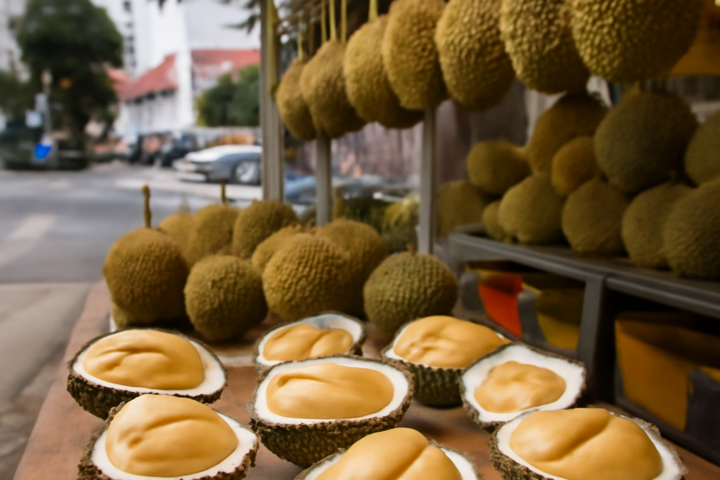
Per-kilo is common, but it is not the only way you will see durian priced. Some vendors sell by the whole fruit, quoting a price for that specific durian after weighing it — handy when you want a particular fruit but a little harder to compare across sizes. Others, ourselves included, offer dehusked flesh sold by the box or portion, which is simple and transparent because you know exactly how much edible durian you are getting. None of these is inherently better; they are just different ways of expressing the same underlying value. The key is to understand which one you are looking at so you can compare fairly.
Focus on value, not just the number
Ultimately, the smartest way to think about durian pricing is value rather than the headline rate. Fresh, well-graded flesh of a variety you love, in an amount you will happily finish, is money well spent — even if the per-kilo figure is not the lowest you have seen. A rock-bottom rate on tired fruit is the real waste. Judge the whole package: variety, grade, freshness and how much of it you will actually enjoy. Get that right and you will always feel you have paid a fair price, whatever form the quote takes.
Frequently asked questions
How is durian priced in Singapore?
Durian is commonly sold by weight — a price per kilogram — as well as per whole fruit or per box of dehusked flesh. Pricing by the kilo fairly accounts for the size of each fruit.
What makes durian price per kg go up or down?
Mainly variety, season and supply, grade and quality, and freshness. Premium varieties and scarce, out-of-season fruit cost more; abundant peak-season fruit is generally better value.
Is dehusked durian more expensive per kg?
A dehusked per-kilo price reflects edible flesh only, whereas a whole-fruit rate includes husk and seed you do not eat. Compare flesh to flesh rather than assuming the lower number is cheaper.
Why won’t you quote a fixed price per kg?
Durian prices genuinely move with the season and supply, so a fixed figure would soon mislead. We quote today’s seasonal rate on WhatsApp so you always get an honest, current price.
Want an honest, current price for the durian you want? Browse the catalog, then message us on WhatsApp through our durian delivery service for today’s seasonal per-kg rate and fresh, dehusked-to-order durian.