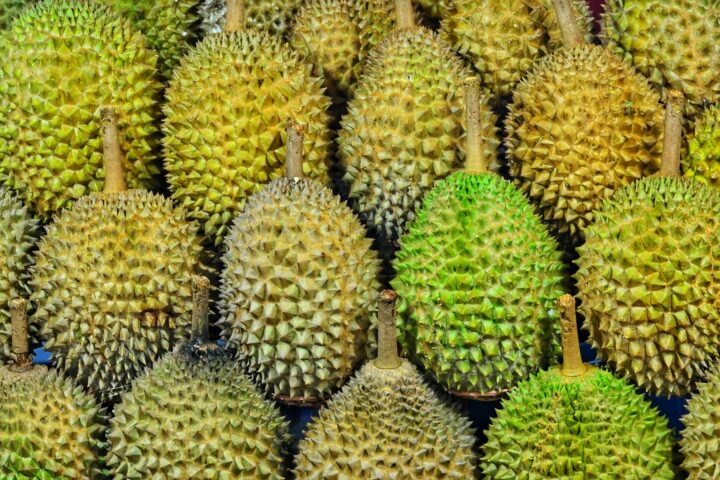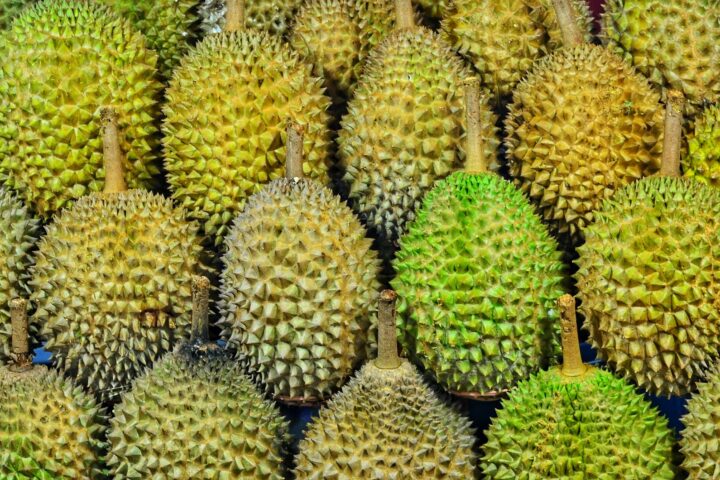

Beyond its bold flavour, durian is a genuinely nutritious fruit — but what exactly is inside? This honest look at durian vitamins and minerals covers the nutrients durian is commonly known for, without hype or invented numbers, so you can appreciate the King of Fruits for more than just its taste.
This isn’t medical advice — nutritional needs are individual, so please check with a doctor or dietitian for personalised guidance. What follows is general information, and we will not fabricate specific figures, percentages or health claims.
Durian is a nutrient-containing whole food
First, the big-picture point: durian is a whole, natural fruit, not a processed snack. Like other fruit, it delivers a mix of vitamins, minerals, natural sugars, some fat and dietary fibre in one package. That combination is part of why it feels so rich and satisfying compared with lighter fruits.
Vitamins durian is known for
Durian is commonly recognised as a source of several vitamins found in fruit. In general terms, it is noted for containing vitamin C — a nutrient many fruits provide — as well as members of the B-vitamin group. Rather than quote exact amounts, which vary by variety, ripeness and portion, it is more useful to think of durian as one contributor among many in a varied diet.
Why we avoid exact numbers
Published nutrient figures for durian differ depending on the source, variety and how the fruit was measured. To stay honest, we will not present a single “official” figure as fact. If you need precise values for a specific dietary plan, a dietitian or a reputable nutrition database is the right reference.
Minerals in the mix
Durian is also commonly associated with dietary minerals such as potassium, along with others that fruit and plant foods typically provide. Minerals like these play everyday roles in the body, and getting them from a variety of whole foods — durian included — is the sensible approach. As always, the value is in the overall pattern of your diet, not any single fruit.
Fibre, sugars and fats
Alongside vitamins and minerals, durian brings:
- Dietary fibre: supports fullness and digestion in the general ways fibre does.
- Natural sugars: the source of durian’s sweetness and quick energy.
- Some fat: part of what gives the flesh its creamy, custard-like texture.
This mix is exactly why durian is more energy-dense than most fruit — and why portion awareness matters if you are watching your intake.
Putting it in context
It is tempting to label durian a “superfood”, but that word oversells things. Durian is a nutritious, enjoyable fruit that contributes vitamins, minerals and fibre as part of a varied diet — no more, no less. It is not a supplement or a cure for anything, and no single food carries your health on its own. Enjoyed in sensible portions, it is a flavourful way to add variety to what you eat. For more on getting the most from every pod, see our complete guide to eating durian.
Do different varieties differ nutritionally?
Varieties differ noticeably in flavour, texture and sweetness, and their exact nutrient makeup can vary too. But for everyday purposes, the differences that matter most to eaters are taste and richness rather than headline nutrition. Choose the variety you enjoy — whether that is the bittersweet Mao Shan Wang or a sweeter, milder pod — and eat it in a portion that suits you. Browse the full catalog to explore.
Enjoy it fresh
Fresh durian, eaten soon after opening, is durian at its best in flavour and texture. That is why we dehusk to order and deliver same-day. However you weigh up the nutrition, the experience of great durian is a big part of its appeal — so choose good fruit and enjoy it properly.
How ripeness and freshness factor in
A durian’s makeup is not entirely fixed — ripeness, growing conditions and freshness all nudge things around, which is another reason precise, universal figures are misleading. A perfectly ripe, freshly opened pod is also simply more pleasant and more nourishing to eat than tired, past-its-best flesh, so freshness serves both enjoyment and nutrition at once. This is a practical argument for choosing quality fruit and eating it soon after opening rather than fixating on a nutrient label: you get the best of what durian naturally offers when the fruit is at its peak.
Enjoy it for what it is
At the end of the day, most people eat durian because they love it, not to hit a nutrient target — and that is exactly the right approach. Appreciate durian as a delicious, naturally nutritious fruit that adds variety and pleasure to your diet, keep your portions sensible, and let a broad, balanced way of eating do the heavy lifting for your overall nutrition. No single fruit needs to carry that job, and durian is far more rewarding enjoyed as the treat it is.
Frequently asked questions
What vitamins are in durian?
Durian is commonly recognised as a source of vitamin C and members of the B-vitamin group, among the nutrients fruit typically provides. Exact amounts vary by variety and ripeness.
Is durian healthy?
Durian is a nutritious whole fruit that contributes vitamins, minerals and fibre as part of a varied diet. It is energy-dense, so portion awareness matters, but it is not “unhealthy” in sensible amounts.
Does durian have potassium?
Durian is commonly associated with dietary minerals such as potassium, along with others that plant foods typically provide. For precise values, consult a dietitian or a reputable nutrition database.
Is durian a superfood?
That term oversells it. Durian is a nutritious, enjoyable fruit — a good contributor to a varied diet, but not a supplement or a cure for anything.
Keen to enjoy a nutritious, delicious fruit at its freshest? Browse the catalog, then message us on WhatsApp through our durian delivery service for today’s seasonal prices and a dehusked-to-order box.