Durian wine is exactly what it sounds like — an alcoholic drink made by fermenting the King of Fruits. It is a genuine regional novelty, produced in small quantities across Southeast Asia, and it turns durian’s famous richness into something unexpected: a golden, aromatic wine that ranges from lightly sweet to surprisingly dry. For durian lovers curious about how their favourite fruit behaves in a glass, it is well worth understanding before you pour.
In this guide we cover what durian wine actually is, how it is made, what it tastes like, how to serve it, and a few honest words of caution. As always, we will not invent brands, prices or reviews — just the real culinary and cultural picture.
What is durian wine?
Durian wine is a fruit wine: durian flesh is fermented with yeast so the fruit’s natural sugars convert into alcohol. Like other fruit wines — mango, lychee, pineapple — it sits outside the world of grape wine, but the principle is the same. The durian’s sugar content, which is high, gives yeast plenty to work with, producing a wine that can carry a fair amount of alcohol and a big, fruity aroma.
It is a specialty product rather than a mainstream one. You are more likely to find durian wine at farms, regional producers and specialty stores than on a supermarket shelf, and batches vary considerably from maker to maker.
What does durian wine taste like?
Expect something intense and polarising — which is fitting for durian. Common notes people describe include:
- Aroma — unmistakably durian, though fermentation can mellow and transform the raw funk into something more rounded and wine-like.
- Flavour — tropical and fruity, with a creamy richness; depending on the maker it can be off-dry to sweet, sometimes with a slight sharpness from fermentation.
- Body — often fuller and rounder than a light grape white, echoing durian’s naturally rich character.
- Finish — lingering durian aroma that stays with you, as durian tends to do.
Interestingly, some grape wines — particularly certain sweet or aromatic whites — are themselves described as having wine-like “durian” notes, which is why durian is sometimes paired conceptually with wine even beyond the fermented fruit version.
How is durian wine made?
The broad process mirrors other fruit wines:
- Preparation — ripe durian flesh is separated from the seeds and mashed, sometimes diluted with water and adjusted for sugar.
- Fermentation — wine yeast is added, and the mixture ferments so the sugars convert to alcohol. This takes time and careful temperature control.
- Straining and clarifying — the liquid is separated from the solids and left to clear.
- Ageing — the wine is aged to mellow and develop before bottling.
Durian’s strong aroma and high fat and sugar content make it a challenging fruit to ferment cleanly, which is part of why durian wine remains a small-batch specialty rather than a mass-market drink. Home fermentation is possible but tricky, and results are unpredictable, so most people are better off trying a bottle from an established producer.
How to serve durian wine
- Chill it. Like most fruit wines, durian wine is generally best served cold, which tames the aroma and freshens the sweetness.
- Small pours. It is rich and intense — a modest glass goes a long way.
- Pairings. It leans dessert-like, so it can sit alongside light, not-too-sweet desserts or a cheese board. Very rich, sweet dishes may overwhelm it.
- As a novelty. It is a fantastic talking point to share with fellow durian fans who think they have tried the fruit every possible way.
A word of caution
There is a widely repeated belief in the region that you should not consume durian together with alcohol. While much of the extreme folklore is exaggerated, some research has suggested durian may interfere with the body’s ability to break down alcohol, and many people simply find the combination heavy on the stomach. If you are drinking durian wine, go gently, stay hydrated, and know your own limits. This isn’t medical advice — check with a professional if you have any health concerns, and of course only drink if you are of legal age and never drink and drive.
Prefer your durian fresh?
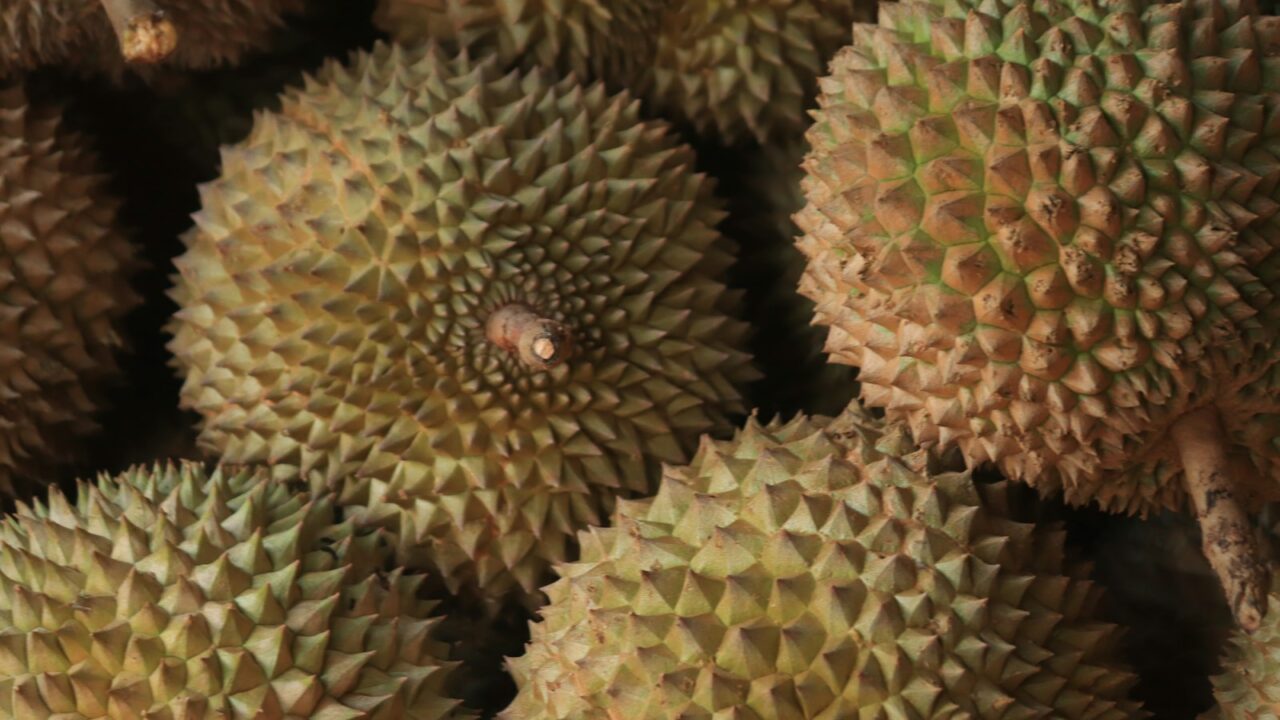
Durian wine is a fun detour, but for most fans nothing beats the fruit itself, eaten fresh and creamy in season. If you want to taste the durian character that makes the wine so distinctive, start with the real thing — a bittersweet Mao Shan Wang or the aptly named, wine-like XO D24, which is prized precisely for its fermented, boozy depth of flavour even before any actual fermentation.
We deliver freshly dehusked durian islandwide. Browse the full durian catalog to choose your variety, or read our guide to durian varieties in Singapore to find your match. Prices are seasonal — message us on WhatsApp for today’s price.
Frequently asked questions
What does durian wine taste like?
It is rich, tropical and fruity with an unmistakable durian aroma, though fermentation rounds off some of the raw funk. Depending on the maker it ranges from off-dry to sweet, usually with a fuller body than a light grape white and a lingering durian finish.
Is it safe to drink durian with alcohol?
There is a long-standing regional belief that durian and alcohol should not be mixed, and some research suggests durian may slow how the body processes alcohol. Many people also find the combination heavy. Drink in moderation and consult a professional if you have health concerns — this isn’t medical advice.
Can I make durian wine at home?
It is possible using durian flesh and wine yeast, but durian’s strong aroma and high fat and sugar content make it difficult to ferment cleanly, and results are unpredictable. Most people get better results trying a bottle from an established small-batch producer.
How should durian wine be served?
Serve it well chilled and in small pours, as it is rich and intense. It leans dessert-like, so it pairs nicely with light desserts or a cheese board rather than very sweet dishes.
Curious about the fruit behind the wine? Order freshly dehusked durian from our Singapore durian delivery service and taste the King of Fruits at its best — message us on WhatsApp to check today’s seasonal price and place your order.