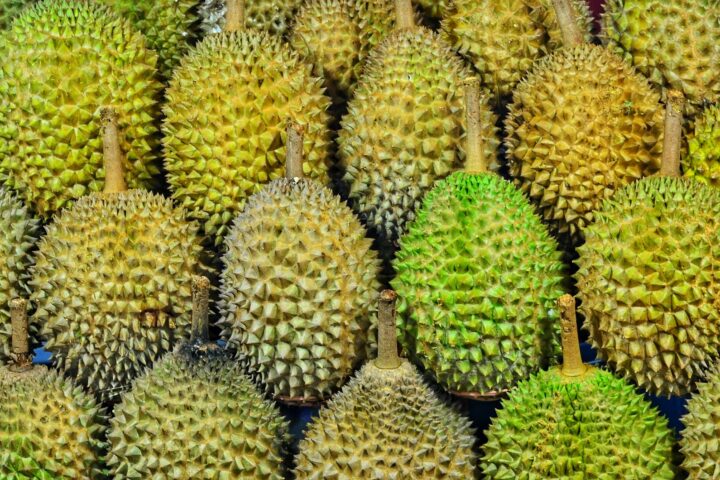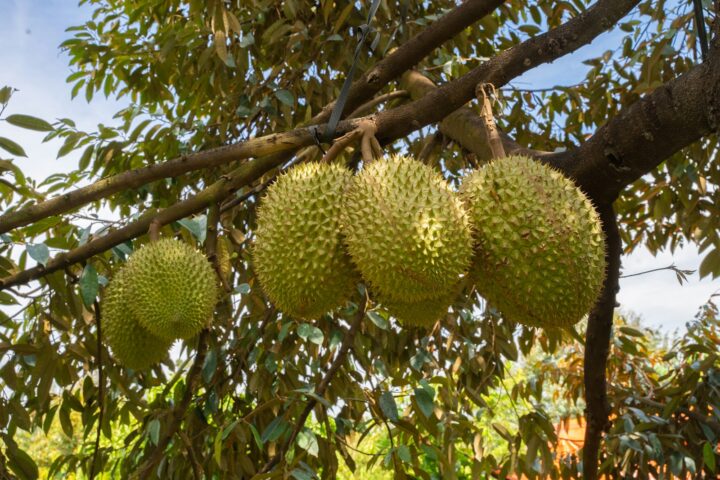
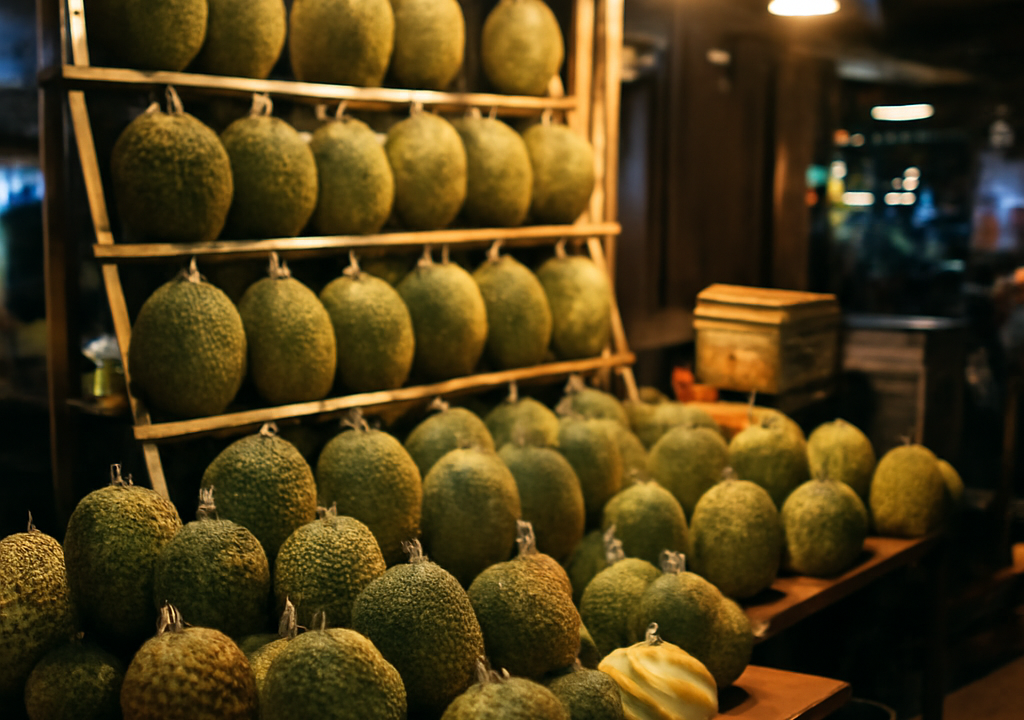
Few foods are as woven into local life as durian. Loved and loathed in equal measure, it is the fruit that clears MRT carriages and fills car parks with folding tables come season. If you are curious about durian history Singapore — how the King of Fruits became such a beloved ritual here — this guide takes a general, honest look, without inventing precise dates or figures.
The story of durian in Singapore is really the story of a region’s favourite fruit and how a small, fast-changing island turned eating it into a shared seasonal tradition.
A fruit native to the region
Durian is native to Southeast Asia, and it has been enjoyed across the Malay Archipelago for a very long time — long before modern Singapore took shape. As part of this region, the area that is now Singapore shared in that durian-loving culture. The fruit’s strong aroma, rich flesh and seasonal nature made it a natural favourite, and its reputation as the “King of Fruits” reflects the high regard it has always been held in locally.
From kampung trees to a growing city
In earlier days, when much of the area was still made up of kampungs, plantations and open land, durian trees were a familiar sight, and durian was something people gathered around in season. As Singapore urbanised and land was redeveloped for housing and industry, homegrown durian became far less common. The island simply did not have the space to remain a durian-growing place, and the fruit’s story here shifted from growing it to sourcing it.
This is why, today, Singapore relies overwhelmingly on durian brought in from the region, particularly Malaysia. The fruit stayed beloved even as local cultivation faded — the appetite never went anywhere, only the source did.
Durian as a seasonal ritual
Over time, eating durian in Singapore became a distinctive social ritual. When the season arrives, roadside stalls appear, families and friends gather, and people debate varieties and grades with real passion. The experience of picking a fruit, having it opened on the spot, and eating the creamy flesh together is a shared pleasure that cuts across generations and backgrounds.
Part of the culture is the language around it — Hokkien and Malay nicknames, talk of “heaty” fruit, and the friendly rivalry between those who swear by bittersweet Mao Shan Wang and those who prefer sweeter, creamier varieties. This vocabulary and these habits are a big part of what makes durian feel so local.
The rise of premium varieties
As tastes grew more discerning, Singaporeans increasingly sought out specific premium cultivars rather than just “durian” in general. Names like Mao Shan Wang (Musang King), D24 and Red Prawn became household words, and knowing your varieties turned into a mark of a true enthusiast. This shift towards quality and variety-awareness is one of the clearest changes in modern durian culture here.
From roadside stalls to delivery
The most recent chapter is about convenience. As lifestyles got busier and expectations rose, durian moved beyond the roadside stall. Today, many Singaporeans order durian for delivery — freshly dehusked and brought to the doorstep — rather than driving out and wrestling with a spiky box themselves. It is the same beloved fruit and the same seasonal excitement, just met with modern convenience: you can enjoy premium durian at home, graded and opened for you.
In that sense, the history of durian in Singapore is a story of continuity as much as change — the love for the King of Fruits has held firm, even as how we get it and enjoy it keeps evolving.
A tradition worth passing on
What makes durian’s story here special is how it brings people together. Grandparents introducing grandchildren to their first taste, colleagues bonding over a shared box, friends arguing good-naturedly over which variety reigns supreme — these small rituals are how the tradition stays alive from one generation to the next. Even as the way we buy durian changes, that social heart of it endures, and it is a lovely thing to keep passing on.
Be part of the tradition
Whether you are a lifelong fan or new to the ritual, there has never been an easier time to enjoy great durian. Discover the iconic Mao Shan Wang durians, browse the full durian catalog to explore the classics, or read what’s in a name: Mao Shan Wang, King of Durians. Want to see where it all grows? Join a Johor durian farm tour to experience durian at the source.
Frequently asked questions
Is durian native to Singapore?
Durian is native to Southeast Asia and has been enjoyed across the region for a very long time. As part of the region, the area that is now Singapore shared in that durian-loving culture from early on.
Was durian ever grown widely in Singapore?
In earlier kampung days, durian trees were a familiar sight and durian was gathered in season. As Singapore urbanised, homegrown durian became far less common, and the island now relies on fruit brought in from the region.
Why is durian called the King of Fruits here?
The title reflects the high regard durian has long enjoyed locally, thanks to its rich flesh, powerful aroma and prized seasonal nature. It is a nickname used across the region for the fruit.
How has durian culture changed in Singapore?
Tastes have grown more discerning, with enthusiasts seeking specific premium varieties, and convenience has risen, with many people now ordering durian for delivery rather than visiting roadside stalls themselves.
Keen to enjoy a piece of this delicious tradition? Message us on WhatsApp for today’s freshest durian (prices are seasonal — message us on WhatsApp), delivered islandwide and dehusked to order. Start at our Singapore durian delivery page.