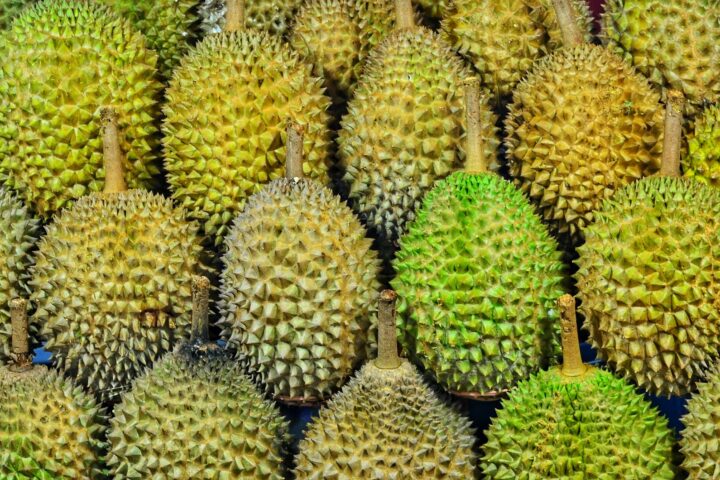

Bought a durian that turned out firm, pale and a little grassy on the first bite? It happens to the best of us. Knowing how to ripen durian the right way can turn a disappointing box into a proper feast — but only if the fruit was picked at the right stage in the first place. This guide walks through what genuinely works, what doesn’t, and how to read the signs that your durian is finally ready.
A quick truth up front: ripening at home is more about coaxing an already-mature fruit to soften and sweeten than performing miracles. A durian harvested far too young will never develop the deep, custardy flesh you’re after. So we’ll cover both — how to help a borderline fruit along, and how to tell when it simply won’t get there.
First, understand how durian ripens
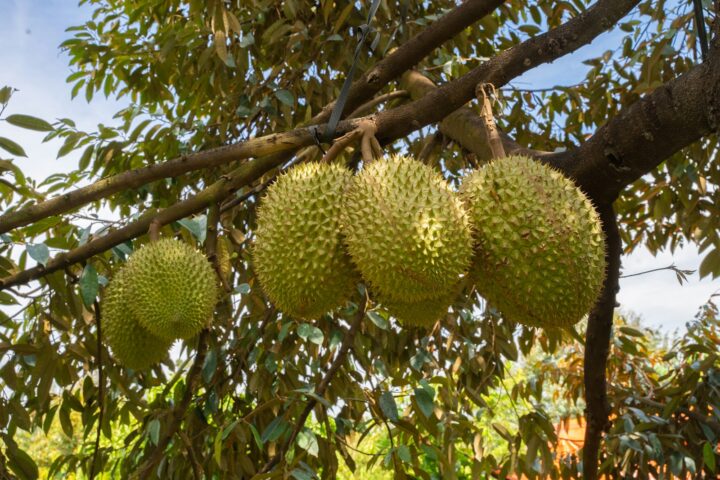
Unlike some tropical fruit, durian is best when it drops naturally from the tree at full maturity — that’s the whole logic behind farm-fresh, tree-dropped fruit. Once picked, a mature durian will continue to soften, sweeten and develop aroma off the tree. An immature one, picked too early to survive transport, has far less to work with. This is why the same “ripening” trick can rescue one durian and do nothing for another.
The changes you’re waiting for are simple: the flesh softens from firm to creamy, the sweetness and bitterness deepen, and the smell grows stronger. Your job at home is to give the fruit a warm, undisturbed spot and a little time.
The methods that actually work
1. Leave it at room temperature
The simplest and most reliable approach. Keep the whole, unopened durian at normal room temperature — not in the fridge — and let it sit for a day or two. Singapore’s warmth actually helps here. Check it daily: the aroma will build, and a gentle press near the seams may start to give slightly. Warmth speeds up the natural enzymes that soften the flesh.
2. Use the paper-bag trick
Durian, like many fruits, releases ethylene — the natural gas that drives ripening. Placing the whole fruit in a large paper bag (or loosely wrapped in newspaper) traps some of that gas around it and can nudge things along. Adding a ripe banana or apple, which also give off ethylene, is a common home tweak. Keep the bag loosely closed so it can still breathe, and check daily.
3. Give an already-opened durian a short rest
If you’ve already dehusked the fruit and the flesh is firm but the fruit was clearly mature, you can leave the seeds (flesh on) in a covered container at room temperature for a few hours to overnight. It won’t transform it, but a slightly firm, mature durian often relaxes into a creamier texture with a little patience.
What to avoid
- Don’t refrigerate to ripen. Cold slows ripening down — the fridge is for storing already-ripe durian, not softening a firm one.
- Don’t microwave or bake a whole durian to “speed it up.” You’ll cook the flesh, not ripen it, and end up with an odd, uneven texture.
- Don’t cut a very unripe durian open early and expect it to ripen on the counter. Once opened, the flesh dries out faster than it sweetens.
- Don’t force it open by prying too hard. If a mature durian is ready, the seams give more easily; fighting a tight shell usually means it needs more time.
How to tell when your durian is ripe
Use your senses rather than a stopwatch:
- Smell: a ripe durian has a full, unmistakable aroma at the stem end. Little to no smell usually means it needs more time (or was picked too young).
- Sound: gently shake it — a faint movement of the flesh inside is a good sign the pulp has loosened from the shell.
- The seams: the shell’s segment lines may start to open very slightly on a fully ripe fruit.
- The stem: a fresh, slightly moist stem is a good sign; bone-dry and shrivelled can mean it’s been sitting too long.
When you finally open it, ripe flesh should be soft, creamy and yield to a gentle press — not watery, and not stiff like a firm mango. If you want a deeper primer on flavour and grading, this guide to the different durian varieties in Singapore is a helpful read.
Why some durians never ripen well
If you’ve waited days and the fruit is still hard, pale and grassy-smelling, the likely culprit is that it was harvested too early. Fruit picked green to survive long journeys simply lacks the sugars and starch conversion needed to turn creamy. This is exactly why we favour fresh, tree-dropped durian and dehusk to order — the fruit reaches you at the stage where a short rest, not a rescue mission, is all it needs. If you’re tired of gambling on supermarket boxes, our durian delivery service takes the guesswork out of it.
Prefer to skip the guesswork entirely?
Ripening at home works best as a small nudge, not a fix for a badly harvested fruit. If you’d rather open a box that’s ready to eat, order fruit that’s already at its peak. Our Mao Shan Wang is a reliable favourite for creamy, ready-to-eat flesh, and you can browse the full durian catalog to plan a session. Curious how the King got its crown? Read what’s in a name: Mao Shan Wang.
Frequently asked questions
How long does it take to ripen a durian at home?
A mature but firm durian usually softens noticeably within one to two days at room temperature. If it hasn’t developed any aroma or softening after several days, it was likely picked too young and won’t ripen well.
Does putting durian in rice help it ripen?
Burying fruit in rice is a traditional trick to trap ethylene and warmth around it, similar to the paper-bag method. It can help a borderline fruit along, but it can’t turn a very unripe durian into a ripe one.
Can I ripen a durian in the fridge?
No — cold slows ripening. Keep the whole fruit at room temperature to ripen it, and only use the fridge to store durian that’s already ripe.
My durian is open but still firm — what can I do?
If the fruit was mature, leave the flesh in a covered container at room temperature for a few hours to overnight; it often relaxes into a creamier texture. If it’s grassy and pale, it was probably harvested too early.
How do I know if it’s ripe without opening it?
Go by aroma at the stem end, a faint movement of the flesh when you shake it gently, and seams that begin to open slightly. A strong, full smell is the clearest sign it’s ready.
Tired of playing the ripening lottery? Message us on WhatsApp and we’ll deliver freshly dehusked durian that’s ready to eat — no waiting, no guessing. Start at our durian delivery page to order today.