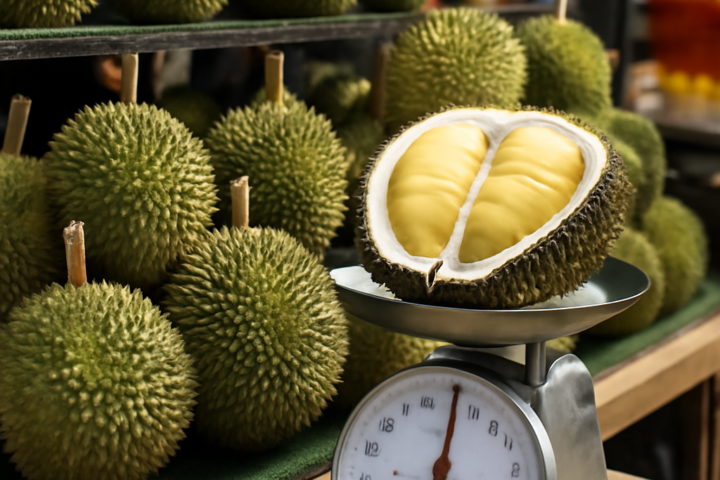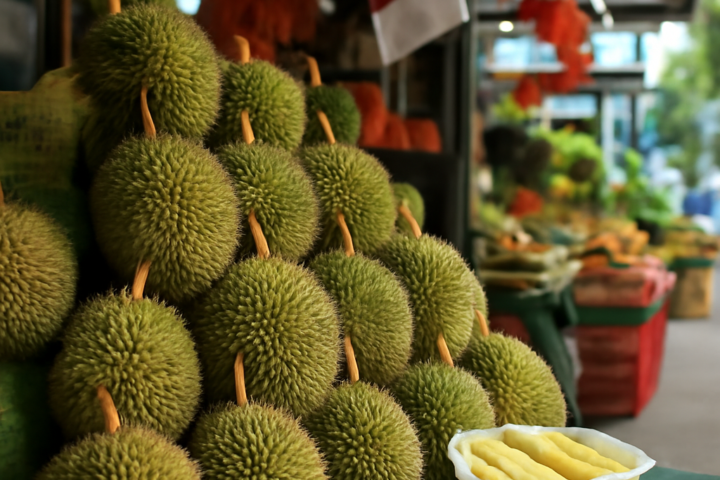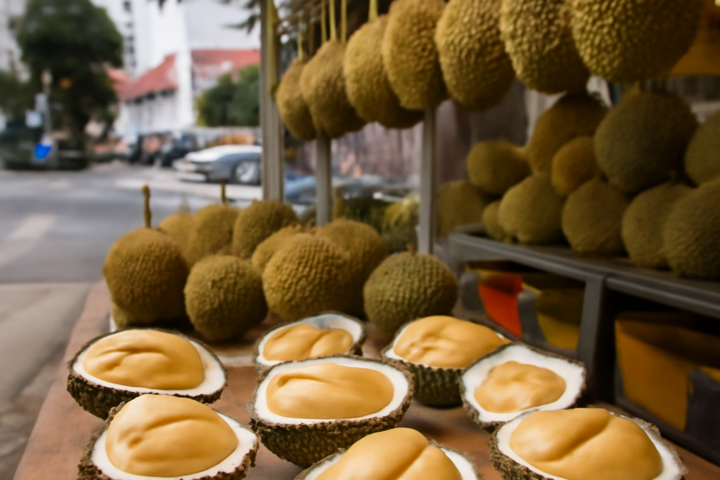

Bite into a good box of Mao Shan Wang and the price starts to make sense — but before that first mouthful, plenty of people ask the fair question: why is durian expensive? The short answer is that premium durian is a fragile, seasonal, labour-heavy fruit with limited supply and huge demand. The longer answer is more interesting, and it will help you judge when a price is fair.
This guide walks through the real cost drivers, from the plantation right down to the box on your table. No invented figures — just the honest mechanics of how the King of Fruits gets priced.
1. Premium trees yield less
Top varieties like Mao Shan Wang and Black Thorn do not fruit endlessly. Mature, prized trees — especially the Old Tree stock connoisseurs love — often produce a smaller, more prized crop. When a tree gives you fewer, better fruit, each one naturally costs more. Scarcity at the source flows all the way to the stall.
2. Durian ripens on the tree and drops
Unlike fruit picked early and ripened in transit, quality durian is left to mature on the tree and harvested when it naturally falls. That means a tight window: the fruit is at its peak for a short time and must move quickly. This “catch it at the right moment” reality limits how much premium fruit is available on any given day.
3. Weather makes supply unpredictable
Flowering and fruiting depend on the right dry-then-wet rhythm. Unseasonal rain, wind or heat at the plantations in Pahang and Johor can knock flowers off, delay ripening, or damage fruit. A poor flush means less supply — and prices rise. This is also why the durian season in Singapore shifts year to year rather than following a fixed calendar.
4. It is highly perishable
Once a durian drops, the clock is ticking. Flesh continues to ferment, texture softens, and flavour changes fast. Getting it from tree to table quickly — and keeping the cold chain intact — takes real effort and carries wastage. Any fruit that does not meet the mark is discarded, and that cost is baked into the good boxes.
5. Grading and dehusking are skilled work
Not every fruit is created equal. Sorting by variety, size, ripeness and flesh quality takes an experienced eye. Then there is dehusking: opening durians cleanly, checking each pod, and packing flesh without bruising it is genuine craft. When we dehusk to order for islandwide delivery, you are paying for that hands-on care — and skipping the mess at home.
6. Demand is enormous
Durian is not just food here; it is a seasonal ritual. Families, gifting buyers and connoisseurs all compete for the best fruit, and premium varieties like Mao Shan Wang carry a prestige that keeps demand high. When many people want a limited, perishable, top-grade product, price follows.
So is the price fair?
Usually, yes — when you understand what you are buying. A premium box reflects rarer fruit, careful handling and freshness you can taste. That said, you do not have to buy top-tier every time. A sweeter, more affordable variety like Golden Phoenix or D101 gives you a lovely session for less, and buying in peak season keeps prices at their friendliest. For the full picture on how varieties stack up, see our durian price guide for Singapore.
How to spend wisely
- Buy in season when supply is strong and prices soften.
- Match variety to palate rather than chasing the priciest name.
- Compare boxed (flesh) prices, not whole-fruit weight.
- Ask why a durian is premium — grade, tree age or selection should justify it.
The hidden costs you do not see
A lot of what you pay for never appears on the stall sign. Getting fresh durian from a Malaysian orchard to a Singapore doorstep involves cross-border logistics, careful cold handling, and the wastage of any fruit that does not make the grade on arrival. Premium sellers also absorb the cost of the fruit that gets opened and rejected — because you only want the good pods, someone has to eat the risk on the rest. Add the skilled labour of dehusking and packing, and the “expensive” box starts to look like fair value for a fragile, hand-finished product.
There is also the matter of consistency. Anyone can occasionally find a cheap, decent durian; delivering a reliably good box, week after week, takes relationships with trusted farms and a lot of quality control. That reliability is part of what you are paying for, and it is why a slightly higher price often buys a lot less disappointment.
Frequently asked questions
Why is Mao Shan Wang the most expensive durian?
High demand, denser and more consistent flesh, careful grading, and lower yields from top trees. Premium tiers like Old Tree and Black Gold push the price higher still.
Does durian get cheaper in peak season?
Generally yes. When the trees are in full flush and supply is strong, prices tend to soften while quality is at its best — often the best time to buy.
Is expensive durian always better?
Not necessarily. Price reflects rarity and grade, but the “best” durian is the one your palate enjoys. A well-chosen mid-tier box can beat a premium one you do not love.
How can I get today’s price?
Message us on WhatsApp. Durian is fresh and seasonal, so we quote live rates by grade rather than fixed figures that quickly go out of date.
Curious what your budget gets you this week? Tell us your taste and group size, and we will match you to the best-value grade and deliver fresh, dehusked-to-order boxes — just order durian delivery in Singapore via WhatsApp.