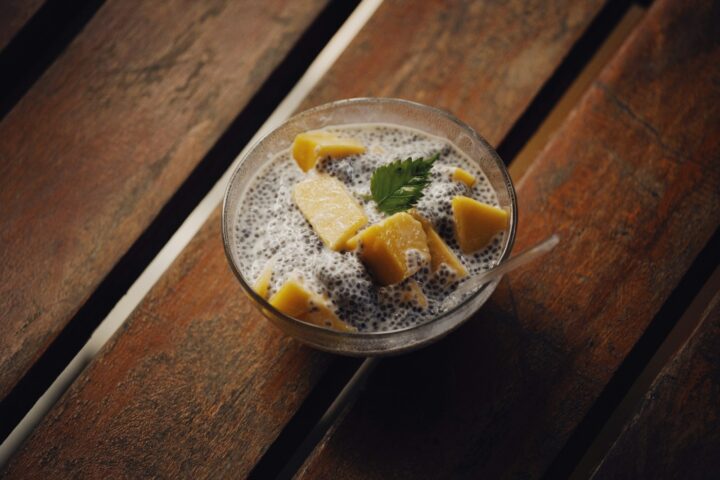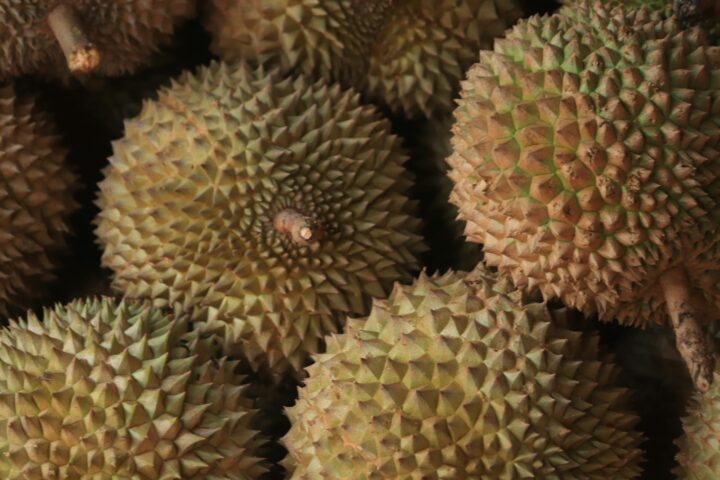
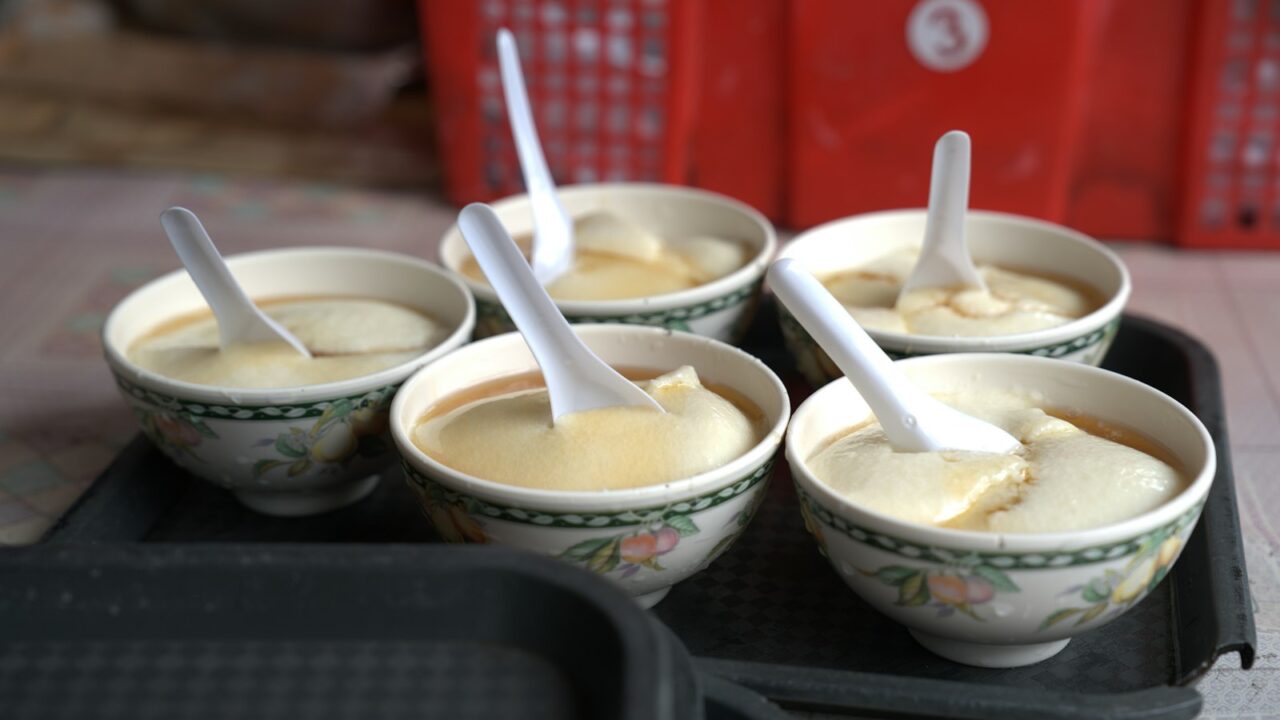
If you have ever finished a durian feast and wondered what to do with the last few pieces that are a touch too soft to eat on their own, serawa durian is the answer your grandmother probably already knew. It is a warm, silky Malay and Peranakan dessert made by loosening ripe durian flesh into sweet, salty coconut milk. The result is somewhere between a thick custard and a fragrant soup, and it is one of the most comforting ways to enjoy the King of Fruits.
In this guide we explain what serawa durian actually is, where it comes from, and how to make a proper pot of it at home with just a handful of ingredients. It is far easier than it looks, and it rescues durian that is already a little overripe.
What is serawa durian?
Serawa (sometimes spelled sarawa or seruwa) is a traditional dessert sauce found across Malay and Peranakan kitchens in Singapore, Malaysia and Indonesia. At its simplest it is fruit or glutinous rice bathed in a warm coconut-milk sauce sweetened with gula melaka (palm sugar) and seasoned with a pinch of salt and pandan.
The durian version is the most beloved. Ripe durian flesh is mashed into the coconut-and-palm-sugar base until it melts into a golden, pudding-like sauce. It is traditionally eaten warm, either on its own in a small bowl or spooned generously over pulut (steamed glutinous rice). During Hari Raya, many Malay households serve serawa durian alongside pulut as a festive treat.
What does it taste like?
Serawa durian is rich but balanced. The coconut milk softens durian’s intensity, so even people who find fresh durian overwhelming often enjoy it in this form. The gula melaka brings a deep, almost caramel-like sweetness, while a small pinch of salt keeps everything from becoming cloying. Warm from the pot, it is aromatic and creamy; chilled, it firms up into something closer to a set custard.
Ingredients you’ll need
This recipe makes roughly four small servings.
- 300g ripe durian flesh, seeds removed (softer, riper flesh works best here)
- 250ml coconut milk (fresh or a good-quality carton)
- 80–100g gula melaka, chopped (adjust to taste; durian is already sweet)
- 2 tbsp water
- 1 pandan leaf, tied into a knot
- A pinch of salt
If your durian is already very sweet, start with less palm sugar and taste as you go. A creamier, more custard-like result comes from Mao Shan Wang or D24; milder varieties give a lighter sauce.
How to make serawa durian
- Melt the palm sugar. In a small pot over low heat, combine the chopped gula melaka with 2 tablespoons of water and the pandan leaf. Stir until the sugar fully dissolves into a syrup, then remove the pandan leaf.
- Add the coconut milk. Pour in the coconut milk and add the pinch of salt. Warm gently — do not let it boil hard, or the coconut milk can split and turn grainy. Keep the heat low and stir often.
- Melt in the durian. Add the durian flesh and use the back of your spoon to mash it against the side of the pot. Stir continuously until the flesh breaks down and the sauce thickens to a smooth, pourable custard, about 3–5 minutes.
- Taste and adjust. Add more palm sugar if you like it sweeter, or a little more coconut milk to loosen it. It should coat the back of a spoon.
- Serve. Spoon warm serawa into small bowls, or ladle it over freshly steamed glutinous rice.
Ways to serve it
- Serawa pulut — the classic: over warm steamed glutinous rice, sometimes with a little extra thick coconut cream on top.
- On its own — in a small bowl as a warm dessert soup, perfect after a heavy meal.
- Chilled — refrigerate for a few hours until it sets slightly, then eat it like a durian pudding.
- With bread — spoon it over toasted bread or use it the way you might use kaya.
Tips for the best serawa
- Use riper durian. Flesh that is soft, sticky and very fragrant melts more smoothly and needs less mashing.
- Keep the heat gentle. High heat splits coconut milk. Low and slow gives a glossy, unified sauce.
- Balance the salt. That tiny pinch of salt is what makes serawa taste “finished” rather than flat.
- Make it fresh. Serawa is best eaten the day it is made; the coconut aroma fades in the fridge.
Where to get durian for serawa
You do not need show-piece durian for serawa — in fact, this is the perfect use for pieces that are a little too soft to serve as-is. That said, the variety still shapes the flavour. A rich, bittersweet Mao Shan Wang gives an intense, luxurious sauce, while a creamier XO D24 makes a smoother, wine-like dessert. For everyday serawa, a milder variety works beautifully and keeps the cost down.
We deliver freshly dehusked durian islandwide, so you can order flesh ready to spoon straight into the pot. Browse the full range on our durian catalog, or read our complete guide on how to eat durian in Singapore if you are new to the fruit. Prices are seasonal — message us on WhatsApp for today’s price.
Frequently asked questions
Is serawa durian eaten hot or cold?
Traditionally it is served warm, straight from the pot, especially over steamed glutinous rice. You can also chill it until it sets slightly and eat it like a durian pudding — both are delicious.
Can I use overripe durian for serawa?
Yes, and it is one of the best uses for it. Soft, very ripe flesh melts into the coconut milk more smoothly and gives a richer sauce, so serawa is a great way to use durian that is past its prime for eating fresh.
What can I substitute for gula melaka?
Gula melaka (palm sugar) gives serawa its signature caramel depth, but you can use brown sugar in a pinch. The flavour will be a little less complex, so add a touch more pandan to compensate.
Why did my coconut milk turn grainy?
The coconut milk was likely boiled too hard, which causes it to split. Keep the heat low, stir often, and warm the sauce gently rather than bringing it to a rolling boil.
How long does serawa durian keep?
It is best eaten the same day. Refrigerated in an airtight container it keeps for about two days, but the fresh coconut aroma fades over time. Reheat gently over low heat.
Ready to cook a pot of serawa this weekend? Order freshly dehusked durian from our durian delivery service in Singapore and we will bring the King of Fruits to your door — just message us on WhatsApp to check today’s seasonal price and place your order.