
If you’ve bought durian more than a few times, you’ll know the price is never fixed. Understanding Singapore durian price trends — why the same variety can cost very different amounts month to month — helps you buy smarter, eat better and avoid overpaying. The King of Fruits is, above all, a seasonal fruit, and its price follows that rhythm.
This guide explains the forces behind durian pricing in Singapore, how variety and grade shape cost, and how to time your buying for the best value. We’ll keep figures general and qualitative, because real prices shift constantly with supply.
What drives durian prices in Singapore
Durian pricing comes down mostly to supply and demand, shaped by a handful of factors:
- Season and supply: the single biggest driver. When the trees fruit heavily during a peak season, abundant supply pushes prices down; in the off-season, scarcity pushes them up.
- Weather: flowering and fruiting depend on rainfall and dry spells. A good weather run means a bigger, cheaper harvest; a poor one means less fruit and higher prices.
- Variety: premium varieties like Mao Shan Wang command more than everyday ones like D101 or D24.
- Grade and size: within any variety, top-grade, well-formed fruit costs more than smaller or less consistent fruit.
- Demand spikes: festive periods and long weekends can lift demand and firm up prices.
The seasonal pattern
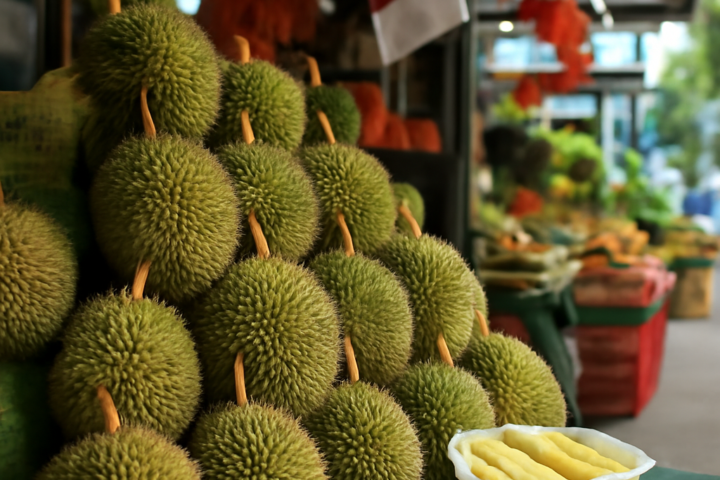
Broadly, durian prices in Singapore follow a repeating shape through the year. During the main seasons — which typically fall around the middle and later parts of the year, though timing shifts annually — fruit is abundant and prices are at their friendliest. In the lean months between seasons, supply is thin and prices climb, sometimes sharply for premium varieties.
There’s often a smaller, shorter season earlier in the year too, but it’s less reliable. Because the exact windows move with the weather, the smartest approach is to follow the season itself. Our durian season guide tracks when the fruit is flowing, and that’s the clearest signal of where prices are heading.
How variety affects price
Not all durians sit at the same price point, and that’s true in every season:
- Premium tier: Mao Shan Wang, especially old-tree MSW, sits at the top for its intense bittersweet flavour and strong demand.
- Mid tier: varieties like D24, Red Prawn and Black Gold offer excellent flavour at more moderate prices.
- Value tier: everyday varieties such as D101 and Golden Phoenix are typically the most affordable ways to enjoy good durian.
If you’re chasing value, a mid- or value-tier variety in peak season often gives you the most flavour per dollar. To compare the options, our durian varieties guide breaks down how they differ.
How to time your buying
- Buy in season: peak-season fruit is fresher, better and cheaper — the win-win of durian buying.
- Be flexible on variety: if one variety is pricey, another may be excellent value that week.
- Mind festive spikes: demand around holidays can nudge prices up temporarily.
- Prioritise grade honesty: the cheapest fruit isn’t the best value if the quality is inconsistent.
- Ask, don’t assume: prices move week to week, so check the current rate rather than relying on what you paid last time.
Whole fruit vs dehusked: how format affects value
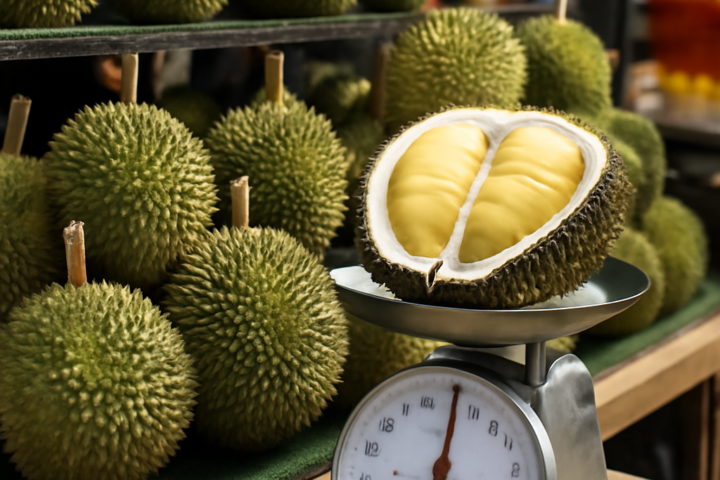
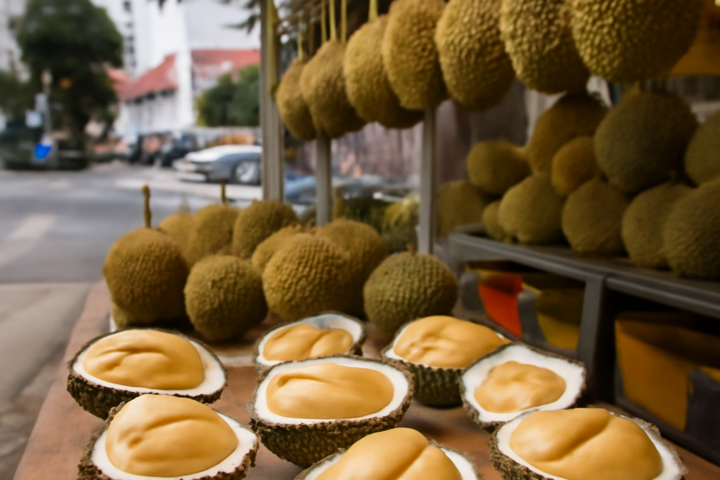
The way you buy durian also shapes what you pay and what you get. Buying whole fruit by weight can look cheaper per kilogram, but you’re paying for the husk, which is most of the weight — and you take on the risk of opening a fruit that’s underripe or has less flesh than hoped. Buying dehusked, packed pulp costs more per gram of what’s on the scale but removes that risk entirely, since you only pay for edible flesh you can see. For many buyers, especially those without the tools or experience to open and judge a whole durian, dehusked-to-order pulp is the better value once you account for the flesh yield and the peace of mind.
Why we don’t post fixed prices
Because durian is seasonal and the market moves daily — sometimes within the same week during a busy season — fixed price lists go stale fast and can mislead. Instead, we quote today’s price on request, so you always get an accurate, current figure. When supply is strong, that’s exactly when we can pass on the best value. Message us on WhatsApp for the current rate on any variety, and we’ll tell you what’s freshest and best value right now.
Frequently asked questions
What makes durian prices rise and fall?
Mostly supply and demand tied to the season and weather. Abundant peak-season harvests push prices down, while off-season scarcity pushes them up. Variety, grade, size and festive demand all play a part too.
When is durian cheapest in Singapore?
Usually during the main durian seasons, when fruit is abundant. Exact timing shifts year to year with the weather, so it’s best to follow the season rather than fixed dates.
Which durian gives the best value?
Mid- and value-tier varieties like D24, Red Prawn or D101 in peak season often give the most flavour per dollar, while Mao Shan Wang sits at the premium end. It depends on your taste and budget.
Why don’t you list fixed prices?
Durian is seasonal and prices change constantly, so a fixed list would quickly go stale. We quote today’s rate on request so you always get an accurate, current price.
Want an accurate, current price for any variety? Message us on WhatsApp, explore the durian prices guide, or order fresh through our durian delivery service and enjoy the King of Fruits at its seasonal best.