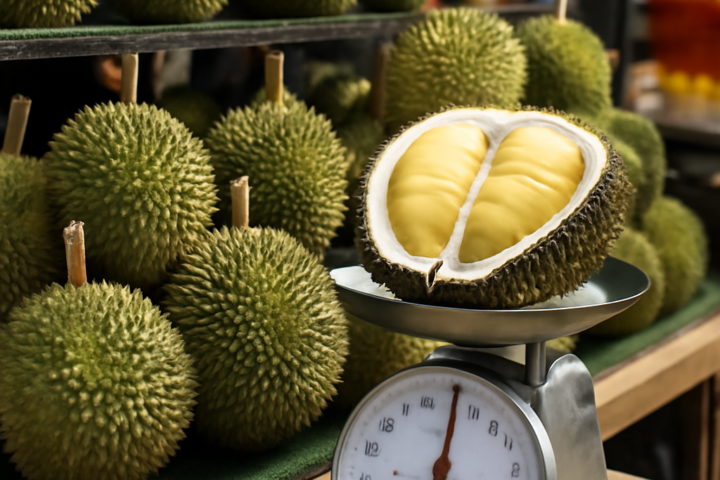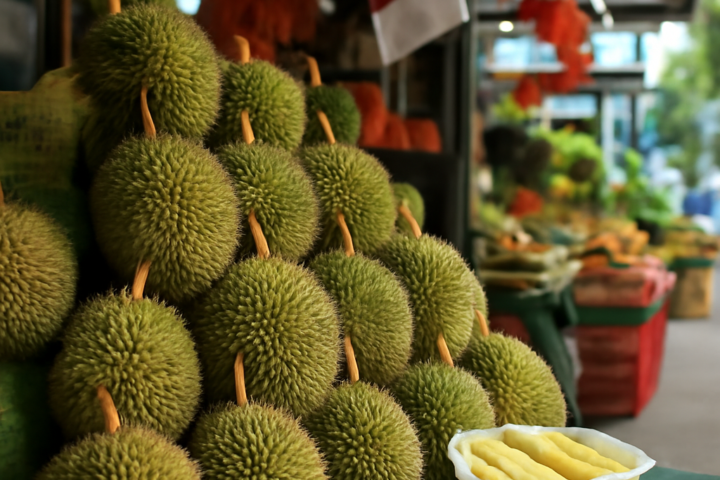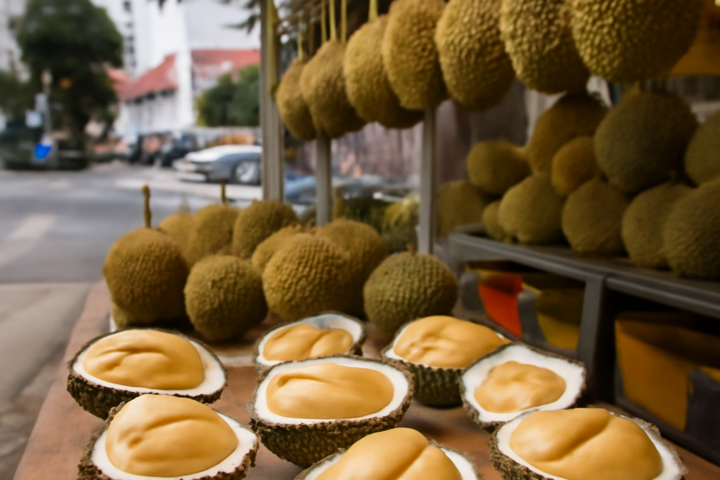
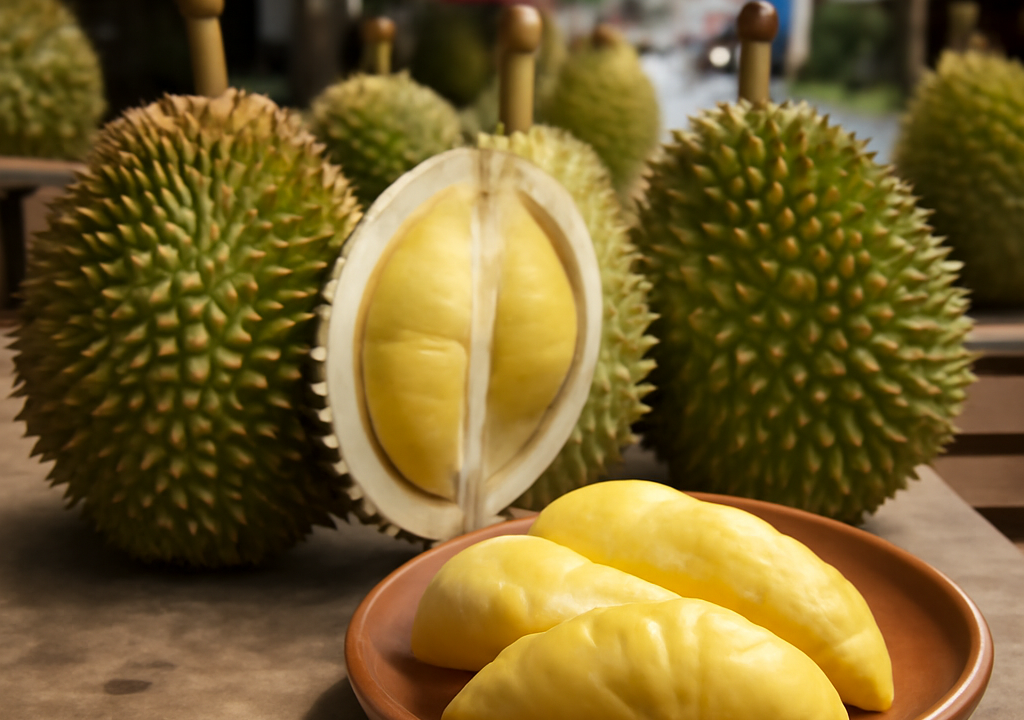
Trying to make sense of what durians actually cost here? The durian price in Singapore depends far more on variety, grade and season than most people realise, which is why two stalls can quote wildly different numbers for what looks like the same fruit. This guide walks through every popular variety and explains where each sits on the price ladder.
We keep exact figures out of it on purpose — durian is fresh and seasonal, so any printed price is wrong within a week. What stays true is the relative ranking and the reasons behind it, which is what helps you spot fair value and avoid overpaying.
What actually sets the price
Before ranking varieties, it helps to know the levers that move every quote:
- Variety and prestige. Mao Shan Wang sits at the premium end; sweeter, milder varieties are usually gentler on the wallet.
- Grade within a variety. Standard, AAA, Old Tree and premium selections are priced differently even for the same durian.
- Season and supply. Full flush lowers prices; lulls and bad weather raise them.
- Form. Whole fruit vs freshly dehusked boxes vs vacuum pulp all carry different handling.
For a deeper look at how these interact, see our overview of durian prices in Singapore.
Premium tier: the connoisseur’s durians
These command the highest prices because of demand, density and careful grading.
- Mao Shan Wang (Musang King): the benchmark — thick, bittersweet, sticky flesh. Premium sub-tiers like Old Tree and Black Gold cost more again.
- Black Thorn: a Penang-origin rival to MSW, silky and intensely creamy, usually priced at the very top when available.
Mid tier: balanced everyday premium
Excellent flavour without the top-shelf price. These are our sweet spot for value.
- XO D24: D24 fermented longer for a boozy, wine-like edge — rich but friendlier than MSW.
- Red Prawn (Ang Heh): sweet, creamy, deep-orange flesh — a crowd favourite.
- D24: the classic creamy, mildly bitter all-rounder.
Friendlier tier: sweet and beginner-friendly
Great for first-timers, kids, and anyone who prefers sweet over bitter — and usually the kindest on price.
- Golden Phoenix (Jin Feng): light, sweet, small-seeded, refreshing.
- D101: sweet, smooth and approachable — a lovely gateway durian.
How to read a quote like a pro
- Confirm the variety and grade. “Musang King” alone does not tell you if it is standard or Old Tree.
- Check per-kg vs per-box. Whole-fruit per-kg pricing includes husk and seed weight; boxed pricing is flesh you actually eat.
- Factor the season. Cross-check the durian season in Singapore so you know whether supply is helping or hurting your price.
- Ask what “premium” means. A higher number should come with a clear reason — grade, tree age or selection.
Getting the best value
The cheapest durian is rarely the best value, and the priciest is not automatically worth it. The real trick is matching variety to your palate and buying in season. If you love intensity, MSW earns its premium. If you want a generous, sweet session for a group without the top price, mid-tier varieties shine. Buying a mixed selection from our catalog is also a smart way to taste across tiers in one sitting.
Price by form: whole, boxed or pulp
How a durian is sold changes what you pay as much as the variety does. It pays to know the three formats before you compare quotes.
- Whole fruit: often the lowest headline price, but remember much of the weight is husk and seeds you cannot eat, and you do the opening yourself.
- Freshly dehusked boxes: you pay for edible flesh only, quality-checked and ready to eat. The clearest way to compare true value, and what we quote for delivery.
- Vacuum-packed pulp: convenient and longer-lasting, though the texture softens compared with fresh flesh.
For most people ordering in, boxed pricing is the fairest — you are not paying for shell weight or gambling on what is inside. If you want to go deeper on this, our note on per-kg versus per-fruit pricing breaks down exactly where the confusion creeps in.
Grades within a variety matter
Two boxes labelled the same variety can be priced very differently once you factor in grade. A standard Mao Shan Wang box, an AAA hand-selected one, and an Old Tree selection all sit at different points on the ladder, even though all three are “MSW”. When you compare prices, always confirm the grade, not just the name — that single question often explains a gap that looks puzzling at first glance.
Frequently asked questions
What is the cheapest durian in Singapore?
Sweeter, milder varieties like Golden Phoenix and D101 are usually the most affordable, especially in peak season. Prices are seasonal, so WhatsApp us for today’s rates.
Why do prices differ so much between stalls?
Grade, freshness, form (whole vs dehusked), and how the price is quoted (per kg vs per box) all vary. Two “MSW” quotes can be for very different actual products.
Is more expensive always better?
No. The best durian is the one that suits your taste. A well-chosen mid-tier box can beat a premium one you do not enjoy — spend where your palate leads.
How do I get today’s exact prices?
Message us on WhatsApp. Because durian is fresh and seasonal, we quote live rates by grade rather than fixed figures that quickly go stale.
Want a shortlist matched to your budget and taste? Tell us your preference and group size, and we will recommend the best-value picks and deliver fresh, dehusked-to-order boxes through our Singapore durian delivery — just drop us a WhatsApp.